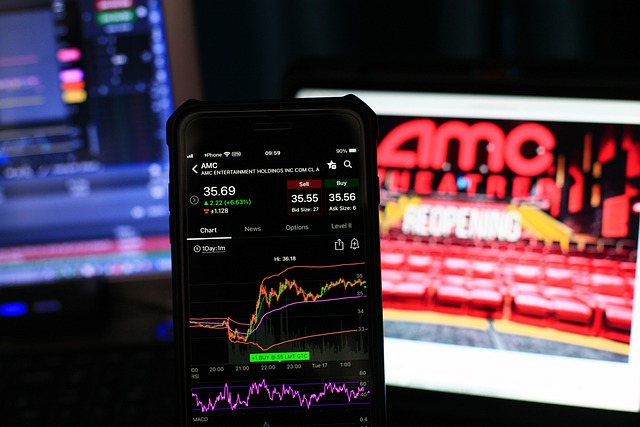
A Simple Guide to Getting Started with CFD Trading in Thailand

    Are you interested in exploring new ways to invest? CFD trading might be the perfect place to start. Contracts for Difference (CFDs) allow you to trade on price movements of various assets—like stocks, commodities, and currencies—without actually owning them. For Thai investors looking for flexibility and exciting opportunities, CFD trading can open up a world of possibilities. In this guide, we’ll walk you through the basics of CFD trading and how to get started in Thailand.

    CFD trading is a method that allows investors to speculate on price changes of assets without purchasing them directly. Whether it’s stocks, commodities, or currencies, you can trade CFDs by predicting whether the price of an asset will rise or fall. If you think the price will go up, you “buy” the CFD, and if you think the price will drop, you “sell.” The main advantage? You can profit from both rising and falling markets.

    One of the major advantages of CFD trading and trade share CFDs is leverage. With leverage, you can control a large position with a smaller initial investment. For example, a leverage ratio of 10:1 allows you to control $10,000 worth of assets with just $1,000. This amplifies both potential profits and risks, meaning that while you can earn more, you also need to be cautious because losses can accumulate quickly.

    Another perk of CFD trading is access to a wide range of global markets. You can trade everything from international stocks to commodities like gold, oil, and even currencies—all through a single trading platf

    While CFD trading offers numerous benefits, it also comes with its share of risks. One of the biggest risks is related to leverage. Leverage amplifies your position, so even small price movements can lead to significant profits or losses. If the market moves against your position, you could lose more than your initial investment. This is why having a solid risk management strategy is essential for success.

    Another risk is market volatility. CFDs are often used to trade fast-moving markets, which means prices can change rapidly. It’s important to stay informed and use stop-loss orders to limit potential losses. A stop-loss order automatically closes your position when the market hits a certain price, helping to protect your capital from further losses.

    To get started with CFD trading or trade share CFDs in Thailand, the first step is to choose a regulated broker. Look for brokers that are licensed by the Securities and Exchange Commission (SEC) in Thailand, as this ensures they adhere to strict guidelines to protect your funds.

    Many brokers offer demo accounts where you can practice CFD trading with virtual money. This is a great way to get familiar with the platform and test different trading strategies without risking real money. Once you’re comfortable, you can switch to a live account and start trading with real funds.

    Before jumping in, it’s important to create a clear trading plan. Decide how much money you’re willing to risk on each trade, set profit targets, and establish exit points to avoid emotional decisions. Sticking to a well-thought-out strategy will help you stay disciplined and make more informed decisions.

    Technology plays a crucial role in modern CFD trading. Most platforms come equipped with tools to help you analyze market trends, set alerts, and make informed decisions. You can track price movements, access historical data, and use technical indicators to find trading opportunities.

    Mobile apps make it easy to manage your trades on the go, allowing you to react quickly to market changes. Staying updated with real-time information is key to making the most of your CFD trades, so make sure you choose a platform with robust features.


    Categories: Blog

    Smart Moves for Tax Efficiency in Spain’s ETF Market

    For investors in Spain, understanding how to optimize taxes when ETF trading is just as important as making the right trades. The ability to retain more of your earnings by managing tax obligations effectively can make a significant difference in long-term returns. With a wide variety of ETFs available, spanning stocks, bonds, and commodities, knowing how to minimize taxes becomes a valuable skill for any trader aiming to maximize gains.

    One of the first steps to reducing taxes on ETF trades in Spain is becoming familiar with the country’s tax regulations. Capital gains from ETFs are taxed at variable rates, depending on the total profit in a fiscal year. Timing plays an essential role here. Investors may choose to delay selling profitable ETFs if they expect to fall into a lower tax bracket in the coming year, thus reducing the amount of tax owed. Being strategic with when you buy and sell can go a long way toward preserving your net returns.

    Tax-loss harvesting is another powerful method for ETF traders looking to reduce their capital gains tax. By selling ETFs that have underperformed and resulted in losses, investors can offset the gains made elsewhere in their portfolio. This strategy keeps your overall tax bill lower by balancing out profits with losses. However, investors should be aware of Spain’s tax rules regarding repurchasing similar securities after a sale, even though these regulations may not be as strict as in other countries. Staying informed about any future changes to these rules is wise for long-term planning.

    Choosing ETFs that accumulate income rather than distribute it is another approach to improving tax efficiency. Accumulating ETFs reinvest any dividends or earnings back into the fund, meaning that investors don’t need to pay taxes on those distributions right away. This deferral pushes the tax obligation further down the road, possibly to a time when you can benefit from lower capital gains taxes. Given that dividend taxes in Spain can sometimes be higher than capital gains taxes, this option is especially beneficial for those looking to maximize their returns in the long run.

    The type of account used to ETF trading can also impact tax efficiency. Spain offers certain accounts, like pension plans and long-term savings accounts, that provide tax benefits. In these accounts, taxes may be deferred until withdrawal or there may be tax advantages on contributions. While these accounts come with specific conditions and may limit how you manage your investments, they can still offer significant tax savings over time. For investors with a long-term focus, using these accounts to trade ETFs could boost post-tax returns significantly.

    Diversifying your ETF holdings across different sectors and asset classes doesn’t just manage risk—it also helps limit the number of taxable events. By spreading your investments out, you reduce the likelihood of needing to buy and sell frequently, which would trigger taxable gains. Although diversification is not a direct tax strategy, it supports long-term stability, helping investors avoid rapid portfolio changes that could result in higher taxes.

    Another consideration for Spanish ETF traders is the holding period. Currently, Spain taxes capital gains at the same rate regardless of how long you hold the asset. But it’s important to keep an eye on potential changes in tax policy that could favor long-term holdings with lower tax rates. Being prepared to adjust your strategy in the event of future legislative changes will ensure you remain tax efficient over time.

    Lastly, partnering with a tax advisor who specializes in ETFs and Spanish tax laws can make all the difference. As tax laws are subject to change, working with an expert ensures that your trading strategy aligns with the most current regulations and that you are taking advantage of every available opportunity to reduce your tax burden. An advisor can provide tailored advice that reflects both the market environment and your individual financial situation.

    Categories: Blog

    Financial Forecasting: Predicting Future Success for Entrepreneurs

    Financial forecasting is a cornerstone of effective business planning, particularly for entrepreneurs navigating dynamic market conditions. It involves estimating future revenues, expenses, and cash flows based on historical data and market analysis. A robust financial forecast not only aids in decision-making but also helps entrepreneurs anticipate challenges and seize opportunities.

    To begin the forecasting process, entrepreneurs should gather historical financial data, including sales figures, expense reports, and market trends. This data forms the basis of the forecast, allowing for informed estimates of future performance. External factors, such as economic conditions and industry trends, should also be considered to enhance the accuracy of the forecast.

    Forecasting methods can vary; entrepreneurs may choose from quantitative approaches, like time-series analysis, or qualitative techniques, such as market research and expert opinions. Combining both methods can provide a more comprehensive view, enabling businesses to make well-rounded predictions.

    It’s essential for forecasts to be regularly updated, reflecting changing circumstances and new data. Agile forecasting allows entrepreneurs to pivot quickly in response to market shifts, making it easier to adapt strategies and maintain growth.

    Moreover, a well-prepared financial forecast can be a powerful tool when seeking investment. Investors often require detailed forecasts to evaluate the potential for returns, and a solid plan can enhance credibility and attract funding. Entrepreneurs should present their forecasts clearly, highlighting key assumptions and potential risks.

    Tools such as spreadsheet software or dedicated financial forecasting platforms can facilitate this process, offering features that allow for scenario planning. By modeling various outcomes based on different assumptions, entrepreneurs can better prepare for uncertainties.

    In conclusion, financial forecasting is not just about predicting numbers; it’s about enabling informed decision-making and strategic planning. For more insights on financial forecasting, visit Business News Daily.

    Categories: Blog

    Why Every Executive Needs Media Training Before a Big Interview

    Interviews can be a high-pressure situation, especially for executives who are expected to represent their companies in the best possible light. No matter how confident or experienced an executive may be in their field, a media interview is a different ball game. Speaking to the media requires more than just answering questions—it’s about delivering your message effectively, staying on point, and ensuring that nothing gets misinterpreted or taken out of context. This is why media training is essential for every executive, especially before a big interview. The ability to navigate tricky questions, manage body language, and maintain control over the conversation are skills that don’t come naturally to everyone.

    Even seasoned executives can find themselves thrown off by an unexpected question. It’s easy to get caught off guard and give a response that might be misunderstood or misquoted. In some cases, what may seem like a small slip-up can lead to negative headlines or damage to your company’s reputation. Media training helps executives prepare for these moments by teaching them how to handle difficult questions, remain calm under pressure, and stay focused on the core message they want to convey. The goal isn’t just to survive the interview but to use it as an opportunity to strengthen the brand’s image and reinforce the company’s key messages.

    Many executives assume that because they’re experienced in public speaking or leading teams, they’ll naturally be able to handle media interviews. However, the dynamics of an interview can be very different from delivering a presentation or speaking at a conference. In an interview, there’s less control over the narrative, and the interviewer’s goal might not align with yours. This is where media training becomes invaluable. It teaches executives how to bridge back to their key points when the conversation goes off track, how to avoid giving away too much information, and how to communicate effectively even when the interviewer is pushing for a specific angle or soundbite. It’s about staying in control of your message, no matter what questions are thrown your way.

    A big part of success in a media interview is how you present yourself, both verbally and non-verbally. Executives are often judged not just by what they say but how they say it. Body language, tone of voice, and facial expressions all play a huge role in how the audience perceives you. Nervousness or uncertainty can easily show through in subtle ways, potentially weakening the impact of what you’re trying to communicate. Media training helps executives become aware of these cues and teaches them how to project confidence, even if they’re feeling the pressure. The ability to come across as calm, collected, and authoritative can make all the difference in how the audience receives the message.

    One of the most challenging aspects of media interviews is staying on message. It’s easy to get sidetracked by an unexpected question or to be led down a path that doesn’t align with the points you want to make. A well-prepared executive knows how to steer the conversation back to the company’s key messages without seeming evasive. This is where preparation becomes critical, and media trainers often work with executives to develop specific talking points that they can rely on throughout the interview. By having these core points ready and practiced, executives can respond to almost any question while still keeping the focus where it needs to be.

    In today’s fast-paced media environment, where interviews are often shared online and scrutinized by large audiences, the stakes are higher than ever. A misstep in an interview doesn’t just disappear after the broadcast—it can live on through social media and news articles, potentially causing lasting damage to a company’s reputation. This is why it’s so important for executives to be fully prepared before speaking to the media. Training equips them with the tools to handle interviews confidently and ensures that their message comes across clearly and positively, even in challenging situations.

    Categories: Blog

    Mastering ETF Investing in Vietnam: A Guide for New Traders

    Diving into Vietnam’s fast-growing investment scene can feel like an adventure, especially if you’re new to the game. One of the most accessible ways to get started is through ETF trading. Exchange-Traded Funds (ETFs) offer a simple and effective way to invest in Vietnam’s booming economy without needing to become an expert in picking individual stocks. But moving from a beginner to a savvy ETF investor takes more than just basic knowledge. It requires a solid strategy, an understanding of the local market, and a long-term approach to navigating this dynamic landscape.

    The Basics of ETFs in Vietnam

    First things first, what exactly is ETF trading? ETFs are funds that pool together a collection of assets—like stocks, bonds, or commodities—and are traded on stock exchanges, just like individual stocks. This means with a single investment, you can gain exposure to a variety of sectors and assets, making ETFs an easy way to build a diversified portfolio. For anyone looking to invest in Vietnam’s growth story, ETFs provide a straightforward path to do so.

    In Vietnam, ETFs cover a wide range of industries, from tech and manufacturing to consumer goods and infrastructure. By investing in ETFs, you’re essentially betting on the success of the country’s overall economy or specific sectors, without having to dig into the financials of individual companies.

    Research is Key

    If you want to move from being a beginner to a skilled ETF investor, doing your homework is critical. Vietnam’s market is unique, with specific economic indicators and trends that drive growth. By understanding these dynamics, you can identify which ETFs are likely to benefit the most from Vietnam’s economic rise.

    For example, Vietnam’s tech industry is booming, driven by young talent and increasing global demand for tech products. Similarly, the country’s infrastructure sector is expanding, thanks to government investment in roads, bridges, and urban development. Keeping an eye on these trends can help you pick ETFs that are positioned to thrive in the coming years.

    Managing Risks in an Emerging Market

    While the growth potential in Vietnam is exciting, it’s important to remember that emerging markets can also be volatile. Market fluctuations, economic policy changes, or global events can all affect the performance of ETFs. That’s why managing risk is a crucial part of any ETF trading strategy.

    One way to manage risk is by diversifying your portfolio. Instead of putting all your money into one ETF, spread your investments across several that cover different sectors. Another strategy is to set stop-loss orders, which can automatically sell your ETFs if they drop below a certain price, protecting you from larger losses. Regularly reviewing and rebalancing your portfolio can also help ensure that you’re not overexposed to any one sector or market trend.

    Stay Updated on Regulations

    Vietnam’s regulatory environment is constantly evolving as the government continues to liberalize the market and attract more foreign investment. Changes in regulations can have a big impact on how ETFs perform, so it’s important to stay informed.

    New rules might make it easier for foreign investors to enter the market or change the way certain industries are taxed, which could directly affect ETF performance. Keeping an eye on regulatory updates and adjusting your investment strategy accordingly will help you stay ahead of the curve.

    Think Long-Term

    Becoming a savvy ETF investor in Vietnam isn’t just about quick wins—it’s about playing the long game. While Vietnam’s market offers plenty of opportunities for growth, it’s important to stay patient and not get rattled by short-term market swings.

    Experienced investors understand that success in ETF trading comes from focusing on long-term trends and staying invested through ups and downs. By choosing ETFs that target sectors with strong, sustainable growth potential, you’ll be better positioned to ride out market volatility and see your investments grow over time.

    Categories: Blog

    Techniques for Mastering Forex Trading in Singapore’s Competitive Market

    Navigating the forex trading landscape in Singapore requires more than just basic knowledge of currency movements. To truly excel, traders need to implement advanced techniques that go beyond foundational strategies. In Singapore’s fast-paced and highly competitive financial environment, leveraging sophisticated tools and approaches can be the key to achieving consistent profitability. This article will delve into several techniques that can give traders an edge in the Singaporean forex market.

    One powerful approach for enhancing efficiency in trading is the use of automated systems. Given the speed and complexity of the forex market in Singapore, automation allows traders to execute orders faster than manual trading can accommodate. Automated systems can continuously monitor the markets and initiate trades as soon as pre-determined conditions are met. This allows traders to manage multiple currency pairs without being constrained by human limitations, helping them capitalize on opportunities even when they aren’t actively watching the market. Automation also removes emotional decision-making, leading to more disciplined trading.

    Another effective technique involves integrating multiple technical analysis indicators to create a comprehensive market view. Technical indicators like the Relative Strength Index (RSI), Moving Averages, and Bollinger Bands are commonly used in forex trading to predict market trends and identify ideal entry or exit points. In Singapore, where rapid price fluctuations are influenced by both local and global economic events, combining indicators can strengthen analysis. For example, using a combination of moving averages and RSI can help a trader spot overbought or oversold conditions, providing more accurate signals for when to buy or sell.

    Advanced risk management strategies are also essential for traders operating in Singapore’s volatile forex market. One useful technique is managing risk through currency correlation. Since some currency pairs move in sync with each other, understanding their correlations can help traders mitigate risk by diversifying their portfolio more effectively. For instance, when trading two highly correlated currency pairs, traders can adopt opposing positions to hedge their risk, reducing exposure to unexpected market swings without sacrificing potential profits.

    In addition to risk management, utilizing advanced order types is another technique that can enhance trading effectiveness. Beyond the basic stop-loss and take-profit orders, there are more sophisticated options like “OCO” (One Cancels the Other) orders, which can be beneficial for complex trading strategies. Such orders enable traders to set up multiple conditions for trade entry or exit, allowing them to capitalize on opportunities without needing to manually monitor the market constantly. This can be particularly useful for Singaporean traders who are juggling multiple trades in a fast-moving market.

    Sentiment analysis is another valuable tool that can be leveraged by forex traders. This technique involves gauging the overall mood of the market by analyzing news reports, expert opinions, and trading activity. In Singapore’s interconnected market, where news can quickly trigger currency movements, sentiment analysis helps traders anticipate shifts based on how the market is feeling rather than relying solely on technical indicators. By staying ahead of market sentiment, traders can make more informed decisions about when to enter or exit trades.

    Continuous education and staying up-to-date with emerging trends are crucial components for success in the ever-evolving forex market. In Singapore, where technology and financial regulations are always changing, traders who commit to ongoing learning often have an advantage. Whether through online courses, industry webinars, or professional workshops, continuous learning helps traders refine their strategies and adapt to new tools and techniques. Staying informed about the latest trends and technological advancements in the forex space allows traders to maintain a competitive edge.

    In summary, forex trading in Singapore offers significant potential for those who are prepared to adopt advanced techniques and continually evolve their strategies. Automation, advanced technical analysis, robust risk management, sophisticated order types, and sentiment analysis are all essential tools for success. By combining these strategies with a commitment to continuous learning, traders can navigate Singapore’s forex market with greater confidence and precision. The key to success lies in staying adaptable and informed, ensuring that trading strategies remain effective in one of the world’s most dynamic financial markets.

    Categories: Blog

    Navigating the Australian Market with ETF Trading: A Beginner’s Overview

    Entering the investment world can feel overwhelming, especially for those new to the vibrant and diverse Australian market. One of the most beginner-friendly avenues is through trading exchange-traded funds (ETFs), which offer a straightforward way to invest in a variety of assets without needing to manage them individually. This guide aims to simplify ETF trading, making it easier for newcomers to get started.

    An exchange-traded fund (ETF) is an investment fund that holds a collection of assets such as stocks, bonds, or commodities. Unlike mutual funds, ETFs are traded on stock exchanges, much like individual stocks. This combination of flexibility and simplicity makes ETFs an appealing choice for new investors in Australia. They provide instant diversification, which is crucial for managing risk, particularly when you’re just beginning your investment journey.

    When you trade ETFs, you are essentially buying shares of a fund that mirrors the performance of a specific index or sector. For example, investing in an ASX 200 ETF means you are investing in a fund that seeks to replicate the performance of the ASX 200 index, which comprises the top 200 companies by market capitalization on the Australian Securities Exchange. This approach offers broad exposure to some of Australia’s largest and most stable companies.

    One of the key advantages of ETFs is their simplicity. Unlike selecting individual stocks, which requires extensive research and ongoing monitoring, ETFs offer a ready-made portfolio that spreads your investment across a variety of assets. This diversification reduces risk, as you’re not reliant on the performance of just one or two stocks. For beginners, this approach provides a crucial buffer against the volatility and unpredictability that can characterize financial markets.

    Another significant benefit of ETFs is their cost-effectiveness. ETFs typically have lower fees compared to managed funds, primarily due to their passive management. Since most ETFs aim to track the performance of an index rather than beat it, there’s no need for active management, which keeps costs down. For those new to investing in the Australian market, this makes ETFs an attractive option, as lower fees can lead to better long-term returns.

    However, while ETFs require less day-to-day management than individual stocks, successful ETF trading still requires staying informed about market conditions and economic trends. Understanding the factors that drive market performance, such as changes in economic policies, global economic shifts, or fluctuations in commodity prices, can help you make informed decisions about your ETF investments.

    In addition to the inherent diversification of ETFs, it’s also wise to diversify within your ETF holdings. This could mean investing in a variety of ETFs, such as those focusing on different sectors, bonds, commodities, or international markets. This additional level of diversification can further reduce risk and increase your potential for growth.

    The flexibility of ETFs is another appealing feature. ETFs can be bought and sold throughout the trading day, just like stocks, allowing you to react quickly to market changes. This flexibility is particularly valuable in a dynamic market like Australia’s, where economic developments can happen rapidly.

    In summary, ETF trading offers an accessible and effective way to enter the world of investing, particularly for beginners navigating the Australian market. With the advantages of diversification, lower costs, simplicity, and flexibility, ETFs provide a strong foundation for building a resilient and potentially profitable investment portfolio. As you gain experience and confidence, ETFs can become a key component of a broader investment strategy, allowing you to explore further opportunities with greater understanding and security. Remember, continuous learning is essential for successful investing, so stay informed and keep growing your market knowledge as you embark on your ETF trading journey.

    Categories: Blog

    Keeping It Clean: Essential Tips for Maintaining Your Ice Supply

    In any establishment where food and beverages are served, maintaining a clean and safe ice supply is crucial. Ice is, after all, a consumable product, and any contamination can lead to serious health risks for customers. Whether you’re running a restaurant, bar, or cafe, ensuring that your ice machines are well-maintained is a top priority. Here are some essential tips to help you keep your ice supply clean and safe.

    Regular Cleaning and Sanitizing

    One of the most important steps in maintaining your ice supply is regularly cleaning and sanitizing your machines. Over time, mineral deposits, mold, and bacteria can build up inside the machine, potentially contaminating the ice. To prevent this, it’s essential to establish a routine cleaning schedule.

    Begin by turning off the ice machine and emptying all the ice. Then, remove any detachable parts like ice bins, trays, and water filters, and clean them thoroughly with warm water and a mild detergent. For the interior of the machine, use a manufacturer-approved cleaning solution to scrub away any buildup, paying close attention to hard-to-reach areas where mold and bacteria are likely to grow.

    After cleaning, it’s equally important to sanitize the machine. This involves using a food-safe sanitizing solution to kill any remaining bacteria or mold. Make sure to follow the manufacturer’s instructions on the correct concentration and application method. Rinse everything thoroughly to remove any chemical residue before restarting the machine.

    Filter Maintenance

    Filters play a crucial role in ensuring that the water used by your ice machines is clean and free from impurities. However, if the filters are not regularly maintained, they can become clogged with debris, reducing water flow and potentially leading to contaminated ice.

    To avoid this, make it a habit to check and replace the water filters according to the manufacturer’s guidelines. Typically, filters should be replaced every six months, but this can vary depending on the machine and the water quality in your area. Regular filter maintenance not only ensures a clean ice supply but also helps the machine run more efficiently, potentially extending its lifespan.

    Keep the Surrounding Area Clean

    While the focus is often on the machines themselves, it’s also important to keep the surrounding area clean. Dust, dirt, and other contaminants can easily find their way into the machine if the environment is not properly maintained.

    Make sure the area around the machine is free from debris and regularly cleaned. This includes wiping down the exterior of the machine and ensuring that the floor is swept and mopped. Additionally, consider the air quality in the room. If the area is prone to dust or airborne contaminants, it might be worth investing in an air purifier or ensuring proper ventilation to keep the environment as clean as possible.

    Regular Inspections

    Regular inspections are key to identifying any potential issues before they become serious problems. Schedule routine checkups of your ice machines to ensure everything is functioning properly. This includes checking the temperature settings, inspecting the water lines for any signs of leaks or blockages, and making sure the machine is producing ice at the correct rate.

    During inspections, look for any signs of mold, mildew, or unusual odors. These can be indicators that the machine needs a more thorough cleaning or that there’s an issue with the water supply. Catching these problems early can prevent them from escalating into something more serious, like equipment failure or health code violations.

    Keeping your ice machines clean and well-maintained is essential for ensuring a safe and reliable ice supply. Regular cleaning, proper filter maintenance, and attention to the surrounding environment are all critical components of this process. By following these essential tips and training your staff on best practices, you can provide your customers with clean, refreshing ice every time, while also prolonging the life of your equipment.

    Categories: Blog

    Choosing the Best Commercial Speakers for Your Space

    When setting up a commercial space, one often overlooked yet critical aspect is the sound environment. Sound can influence mood, create an ambiance, and even affect customer behavior. The choice of commercial audio speakers should, therefore, be carefully considered to ensure that they meet the specific needs of your business and the characteristics of your space.

    The first thing to consider is how the sound will interact with the physical environment. Each space has unique acoustic properties based on its layout, materials, and size. For instance, a space with high ceilings and hard surfaces might cause sound to echo, making it harder to control the audio experience. On the other hand, a smaller, carpeted area might absorb sound, requiring a different kind of speaker system to achieve the desired audio clarity. This is why the selection of commercial speakers should start with an understanding of the environment they will operate in.

    Another crucial factor is the nature of the sound you want to project. Different spaces serve different purposes, and the audio setup should complement that purpose. In a cozy café, for example, the goal might be to create a warm and inviting atmosphere with soft background music. In contrast, a gym might need a more powerful setup to pump out energetic tunes that motivate clients. Understanding the primary function of the sound system in your space is key to choosing the best commercial speakers.

    Additionally, consider how the speakers will be used throughout the day. Some businesses might need to adjust the audio levels depending on the time of day or the number of people present. For instance, a restaurant might start with softer music during lunch hours and switch to more upbeat tunes in the evening. Having a versatile system that can easily adapt to different situations is important for maintaining a pleasant atmosphere.

    Placement of the commercial audio speakers is another area where careful planning is required. The speakers should be positioned in a way that ensures even sound distribution, avoiding areas where the audio might be too concentrated or too weak. Proper placement not only enhances the listening experience but also minimizes the need for high volume, which can be disruptive or even damaging to the environment over time. It’s advisable to work with an audio expert to determine the best locations for your speakers within the space.

    Moreover, consider the aesthetic aspect of the speakers. In some commercial settings, the look of the equipment can be just as important as its functionality. Sleek, modern speakers might fit well in a contemporary office space, while something more discreet could be better for a classic or minimalist setting. The visual impact of the speakers should align with the overall design of the space, contributing to a cohesive and pleasing environment.

    Maintenance is another critical consideration. Commercial audio speakers need to be durable and able to withstand the demands of a busy environment. Regular maintenance and occasional updates are necessary to keep the system running smoothly and to ensure that the sound quality remains consistent over time. Investing in a robust, reliable system might involve higher upfront costs, but it can save money in the long run by reducing the need for frequent repairs or replacements.

    Finally, think about how the speakers will integrate with other technologies in your space. With the growing trend of smart technology and automation, it’s worth considering speakers that can be easily integrated with other systems, such as lighting or temperature control, to create a fully synchronized environment. This can enhance the overall experience for customers or employees, making the space more enjoyable and functional.

    In summary, choosing the best commercial speakers for your space requires a holistic approach, considering not just the sound quality but also the interaction with the environment, the intended use, aesthetic integration, and future adaptability. By taking these factors into account, you can ensure that your space has the perfect sound system to enhance the overall atmosphere and support your business goals.

    Categories: Blog

    Unleashing the Potential: Advanced Strategies for Trading Share CFDs in Thailand

    Thailand’s financial market is a rich tapestry of opportunities, especially for those who are well-versed in its nuances. Among the various instruments available, Contracts for Difference (CFDs) offer a distinctive edge, allowing investors to speculate on share price movements without actually owning the underlying assets. Trade share CFDs in Thailand presents unique opportunities for capitalizing on the country’s economic growth while also offering ways to hedge against market downturns. To truly excel in CFD trading, investors need to employ advanced strategies that go beyond the basics.

    1. Deep Market Understanding

    A thorough grasp of Thailand’s multifaceted economy is crucial for successful CFD trading. The country’s diverse sectors—ranging from tourism and agriculture to manufacturing and technology—each respond differently to economic indicators. Staying updated on local and global economic trends, political developments, and social factors is essential. For instance, changes in government policies or shifts in global trade dynamics can significantly impact market sentiment and asset prices.

    2. Robust Risk Management

    Given the leveraged nature of CFDs, managing risk is paramount. Small price movements can lead to substantial gains or losses. Effective risk management strategies are essential to protect your capital. Setting stop-loss orders helps limit potential losses, while diversifying investments across different sectors can spread risk. The goal is to shield your investments from severe downturns while still positioning yourself to benefit from market upswings.

    3. Technical Analysis Mastery

    Technical analysis involves studying historical market data and identifying patterns to predict future price movements. For advanced CFD traders, mastering technical analysis is invaluable. This involves interpreting charts, using indicators, and recognizing trends to make informed trading decisions. Techniques such as trend lines, moving averages, and relative strength indices can provide insights into optimal entry and exit points, enhancing the chances of successful trades.

    4. Strategic Use of Leverage

    Leverage can magnify both gains and losses. While it offers the potential for higher returns, it requires careful management to avoid substantial losses. Experienced traders use leverage judiciously, focusing on steady, long-term growth rather than attempting to capitalize on every market fluctuation. This disciplined approach helps navigate market volatility with greater confidence and reduces the risk of significant financial setbacks.

    5. Commitment to Continuous Learning

    The financial markets are in constant flux, with new trends and technologies emerging regularly. Staying informed about these changes through continuous education is crucial for maintaining a competitive edge. This involves keeping up with market news, technological advancements, and evolving trading strategies. An informed investor can adapt their tactics to new information, ensuring that their strategies remain relevant and effective.

    6. Leveraging Sector-Specific Insights

    In Thailand, each sector offers unique opportunities and challenges. By focusing on specific industries, investors can gain deeper insights into their performance and potential. For example, understanding the impact of tourism trends on related stocks or the influence of global energy prices on the Thai energy sector can provide valuable context for CFD trading decisions.

    7. Utilizing Advanced Trading Platforms

    Modern trading platforms offer sophisticated tools and features that can enhance CFD trading strategies. Advanced charting tools, real-time data feeds, and automated trading options can provide a technological edge. Leveraging these tools effectively allows for more precise analysis and timely execution of trades.

    Trade share CFDs in Thailand offers significant potential but demands a sophisticated approach. By developing a deep understanding of the market, employing robust risk management strategies, mastering technical analysis, using leverage wisely, and committing to continuous learning, investors can unlock substantial opportunities. While CFD trading involves inherent risks, the rewards for those who approach it with diligence and strategic insight can be substantial. As Thailand’s financial landscape continues to evolve, so too does the potential for investors to achieve success through advanced CFD trading strategies. Whether you’re an experienced trader or new to CFDs, the Thai market offers a promising avenue for those willing to engage deeply and strategically with its complexities.

    Categories: Blog